
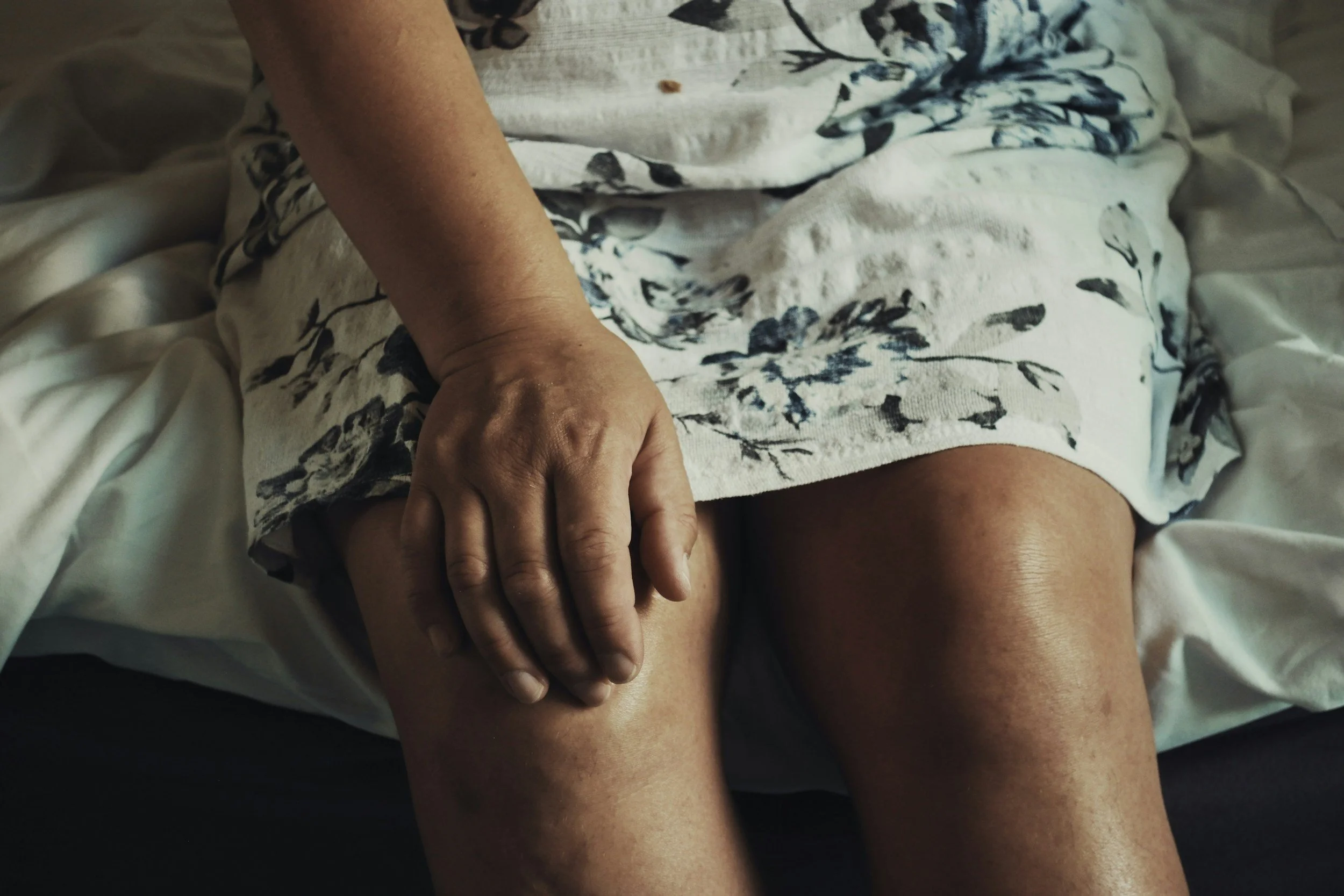
Knee osteoarthritis can make everyday activities such as walking, climbing stairs, exercising and even getting up from a chair uncomfortable.
Although osteoarthritis can't currently be cured, there are ways to manage the symptoms and support your mobility. Acupuncture is one complementary approach that some people choose to help manage pain and stiffness.
How Can Acupuncture Help with Knee Osteoarthritis?
Pain relief
Acupuncture stimulates the nervous system and encourages the release of natural pain-relieving chemicals, including endorphins. These help regulate how the body experiences pain.
Increased local blood flow
Needle stimulation can increase blood flow around the treated area. This is part of the body's natural response to acupuncture.
Muscle relaxation
When knee pain affects the way you move, the surrounding muscles can become tight or overworked. Acupuncture may help reduce muscle tension and make movement feel more comfortable.
Supporting movement and mobility
By helping to manage pain and muscle tension, acupuncture may make everyday activities such as walking, standing and climbing stairs more comfortable for some people.
It's important to understand that acupuncture does not rebuild damaged cartilage or reverse osteoarthritis. The aim is to support pain management and improve day-to-day comfort
What does research say?
The British Acupuncture Council (BAcC) has reviewed a number of studies looking at acupuncture for knee osteoarthritis. Some of the findings are encouraging.
One particularly large review, published in 2018, looked at 39 clinical trials involving more than 20,000 people with different types of chronic pain, including knee osteoarthritis.
The researchers found that acupuncture was more effective than receiving no acupuncture, and also showed benefits compared with sham acupuncture (a treatment designed to imitate acupuncture without using the same technique).
Looking specifically at knee osteoarthritis, nine out of ten trials found better results with acupuncture than with treatments that didn't include acupuncture. In eight of those trials, the difference was significant.
The review also suggested that the benefits of acupuncture for chronic pain can continue for some time after treatment, with improvements seen for up to a year in the studies that followed participants over time. There is less information about how long benefits might last beyond this.
Another review, published in 2017, compared acupuncture with other physical treatments for knee osteoarthritis. It ranked acupuncture favourably for pain relief when compared with approaches such as muscle-strengthening exercises, Tai Chi and weight management. However, this doesn't mean acupuncture should replace these treatments.
Do all medical guidelines recommend acupuncture?
Not all guidelines agree. Some organisations have recommended or conditionally recommended acupuncture for knee osteoarthritis, while NICE in the UK does not currently recommend it. This reflects differences in how the evidence is assessed and how much benefit is considered worthwhile.
Overall, the research suggests acupuncture can support pain relief for some people with knee osteoarthritis. It is worth considering as part of a wider approach to managing the condition, alongside appropriate exercise and other recommended care.
You can read the full research review from the British Acupuncture Council here:
BAcC – Osteoarthritis of the Knee: Research Fact Sheet
Simple tips for managing knee osteoarthritis
Keep moving
A moving door hinge, never rusts! It can be tempting to avoid exercise when your knees hurt, but regular movement is important. Low-impact activities such as walking, swimming and cycling can help to keep the blood and tissues active, so things don’t become stagnant which often causes more pain.
Strengthen the muscles around your knees
Strong thigh and leg muscles help support the knee joint. Gentle stretching and strengthening exercises can improve stability and make everyday movement easier. Click the link below for some simple knee strengthening exercises.
Avoid sitting still for too long
If you spend a lot of time sitting, try to get up and move around regularly. Gentle movement can help reduce stiffness.
Wear comfortable footwear
Shoes that fit well and feel comfortable can make walking easier. Choose footwear that suits your activities and provides adequate support.
Maintain a healthy weight
If you're carrying excess weight, even a modest reduction can help reduce the load placed on your knees and improve pain and physical function.
Looking for Acupuncture in Westminster?
At Cicely Rose Acupuncture, I offer individual acupuncture treatments in Westminster, taking time to understand your symptoms, medical history and how your knee pain is affecting everyday life.
If you're experiencing knee osteoarthritis and are curious about whether acupuncture could be a suitable complementary approach for you, you're welcome to get in touch for a free discovery call.