
Anxiety: How Can Acupuncture Support You?
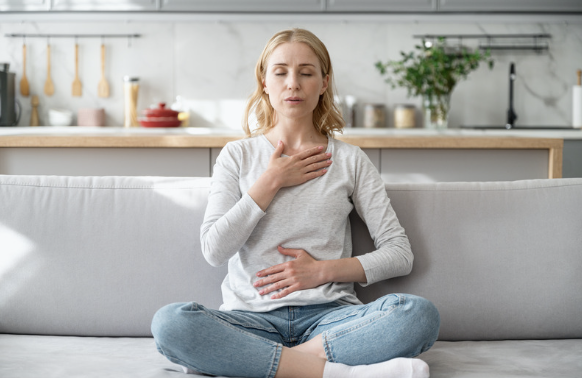
Anxiety can affect everyone differently. For some people, it feels like a constant sense of worry that never quite switches off. Others experience a racing heart, tight chest, poor sleep or a mind that jumps from one thought to the next. It can be exhausting, and it often affects work, relationships and everyday life.
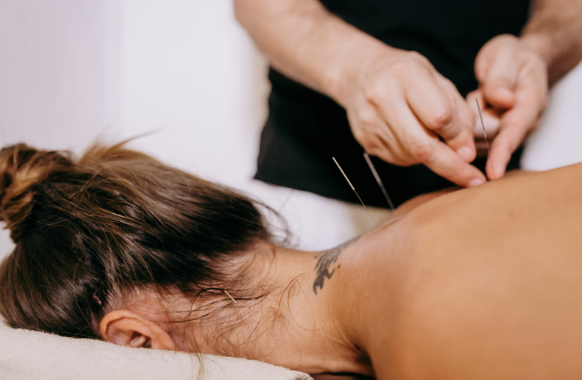
Acupuncture has been used for thousands of years and is now increasingly recognised as a complementary therapy that can support people experiencing anxiety. At my acupuncture clinic in Westminster, I offer a calm, supportive space where treatment is tailored to your individual needs.
Does this sound familiar?
Are you constantly overthinking?
Do you feel nauseous in your stomach, or do you get a tight chest and shortness of breath?
Do you get a rushing sensation that starts in the bottom of your stomach, and rushes up to your throat?
Can you feel your heart beating?
Do you get anxious just before before falling asleep, when waking up, during the middle of the day, or during the night?
These are all what we refer to as, ‘differentiating questions’ that help us understand exactly why you are experiencing certain symptoms, which helps us to tailor treatment to you.
How can acupuncture support people experiencing anxiety?
From a Western medical perspective, acupuncture stimulates the nervous system and triggers several natural responses within the body.
Acupuncture encourages the release of endorphins and other naturally occurring chemicals that help regulate mood and promote relaxation. Treatment has also been shown to influence the autonomic nervous system, helping shift the body away from its "fight or flight" response and towards a calmer, more balanced state.
Many people also notice improvements in sleep, muscle tension and their overall sense of wellbeing, all of which can make anxiety feel more manageable.
Rather than masking symptoms, acupuncture aims to support your body's own ability to regulate stress and recover from the physical effects of anxiety.
What does the evidence tell us?
Research into acupuncture for anxiety is growing, and the findings are encouraging.
A large review published in 2021, which analysed 20 clinical trials involving over 1,800 people with Generalised Anxiety Disorder (GAD), found that acupuncture was associated with greater improvements in anxiety symptoms compared with the control treatments. The authors concluded that acupuncture showed promising benefits, while also highlighting the need for more high-quality research to strengthen the evidence.
More recently, a 2023 systematic review looked at 37 clinical trials involving people experiencing anxiety alongside a range of health conditions. It found that electroacupuncture (where a gentle electrical current is applied to the needles) significantly reduced anxiety symptoms. Again, the researchers concluded that the results were promising, although further high-quality studies are still needed.
One of the strengths of acupuncture is that it takes a whole-person approach. Many people experiencing anxiety also struggle with poor sleep, muscle tension, digestive symptoms or chronic pain. Rather than focusing on one symptom alone, acupuncture can support people who are experiencing several symptoms at the same time.
When provided by a qualified practitioner, acupuncture is also considered a safe treatment, with serious side effects being very rare.
Simple ways to support yourself
Alongside acupuncture, these small tricks to help support your wellbeing:
Acupressure - click link below
Box breathing - click the link below
Ear seeds
Looking for acupuncture in Westminster?
If you're looking for a natural way to support your wellbeing, acupuncture may be able to help you feel calmer, sleep better and manage the physical effects of anxiety.
I offer acupuncture appointments from my clinic in Westminster, welcoming patients from Pimlico, Victoria, Belgravia, St James's and the surrounding areas.
I'd be delighted to support you on your journey.
FAQS
-
Yes. Acupuncture is commonly used alongside conventional medical treatment. If you have any questions, we'll discuss your medical history during your consultation.
-
Everyone is different. This depends on how long you've been experiencing symptoms and your general health.
We recommend somewhere between 3-6 treatments to really see a difference in your symptoms.